Light designed for the house, not just fitted to it
The right light in every room, out to the facade and the garden: warm to live in, and a house that looks its best after dark.
Most houses are lit by whoever ran the wiring: a grid of ceiling downlights, one harsh setting, everything on or off. It works, and it never feels like anything. Good lighting is the difference between a room you switch on and a room you want to sit in, and between a house that vanishes at night and one that looks like it was designed.
What’s included
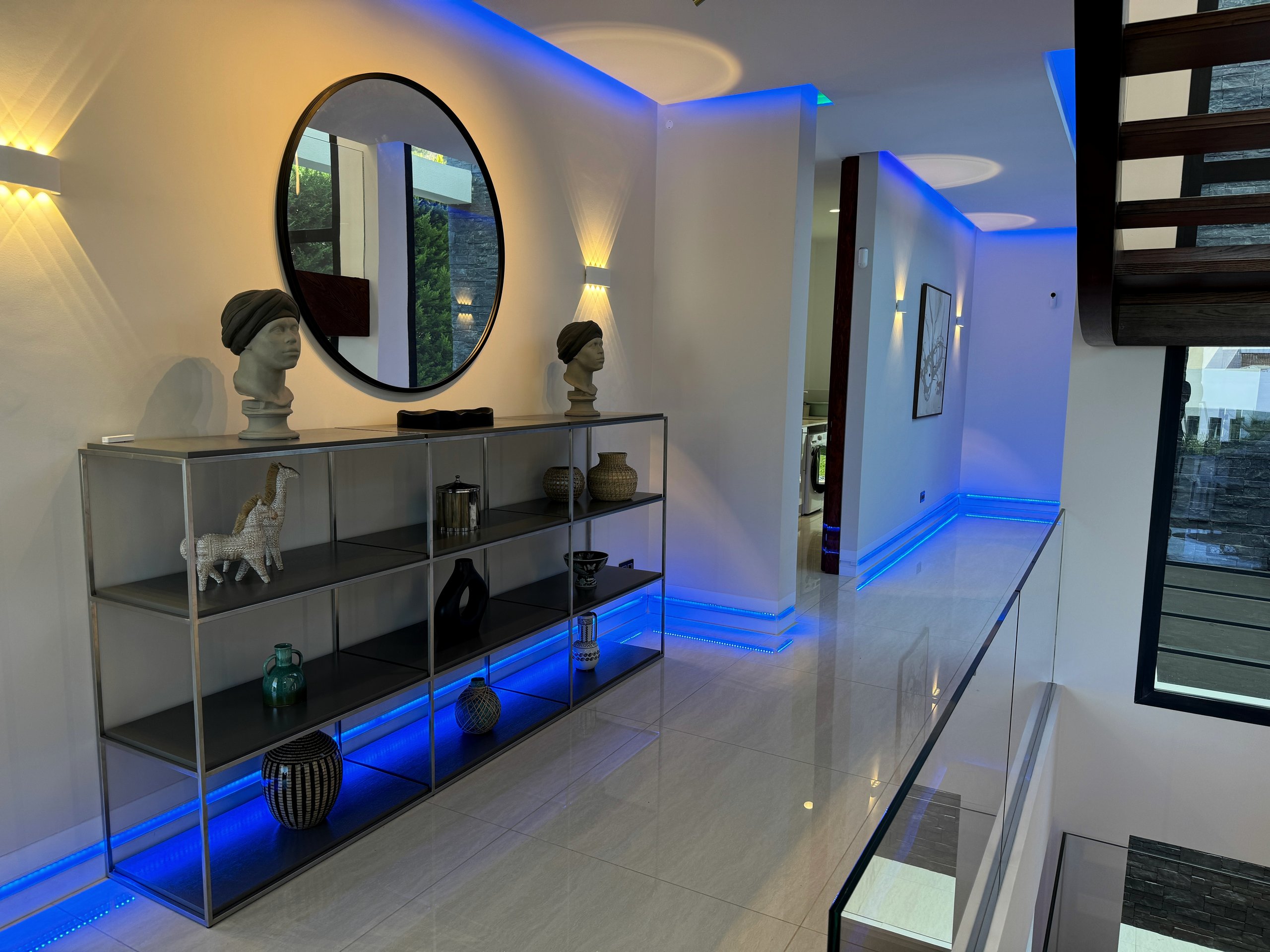
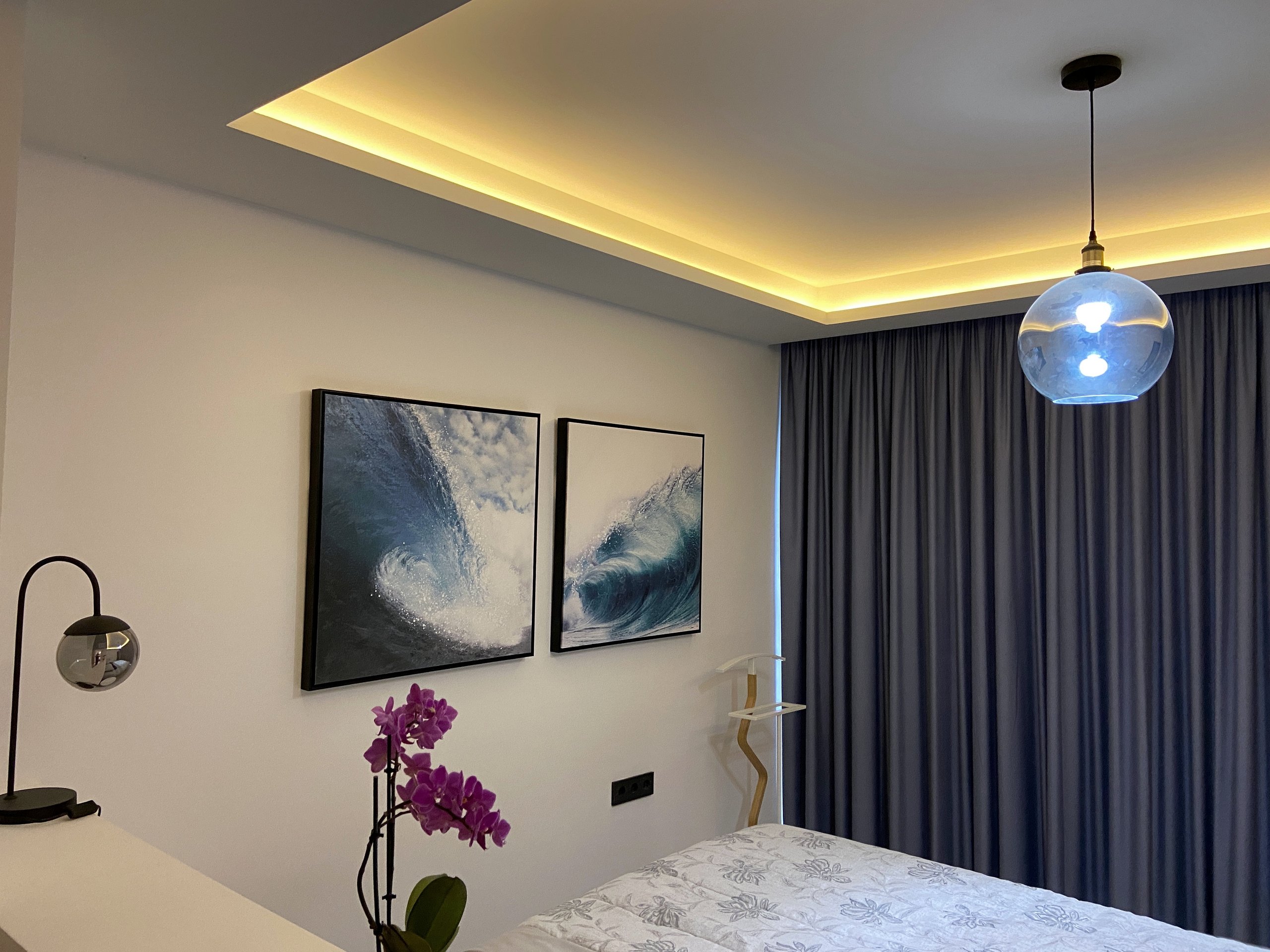
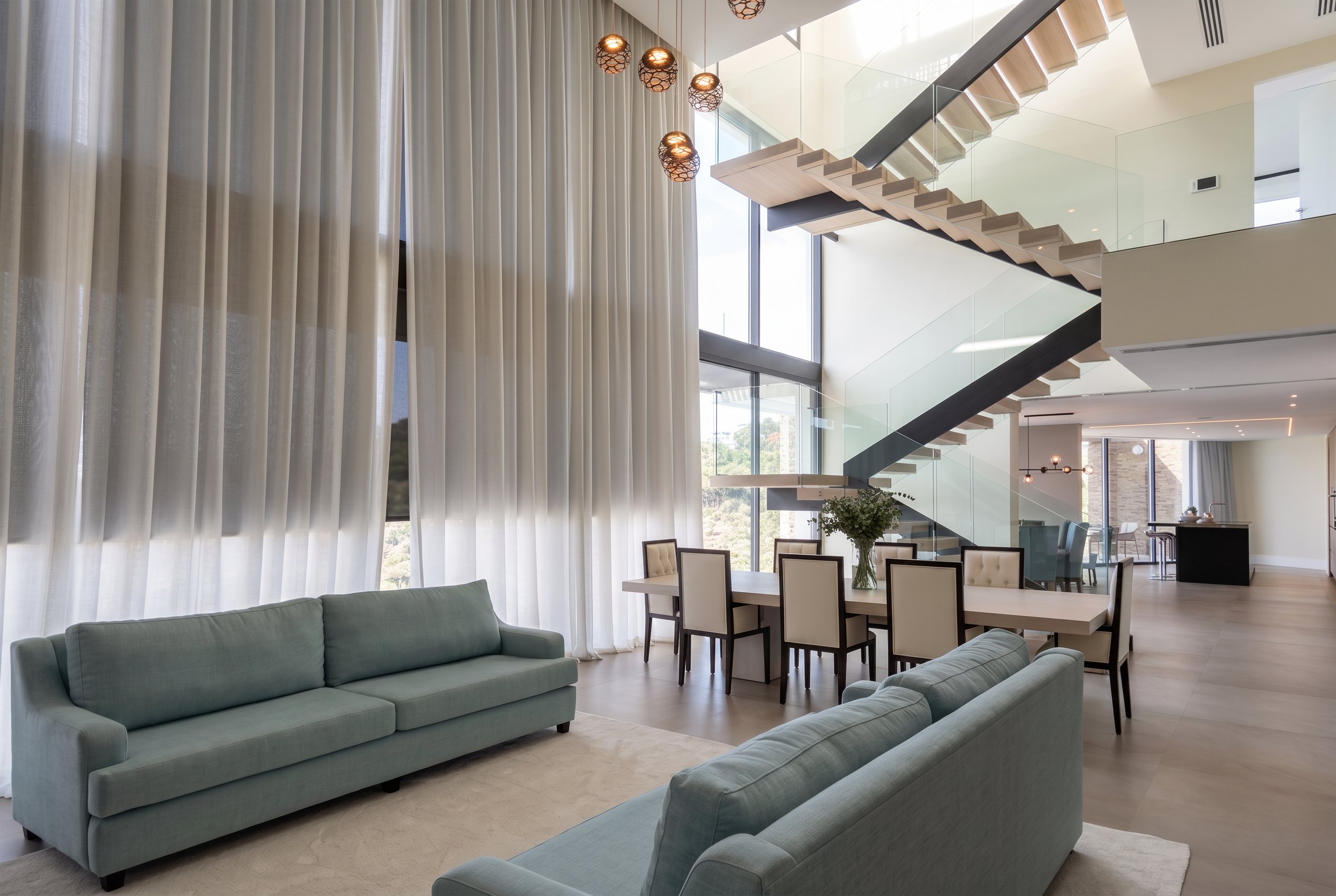
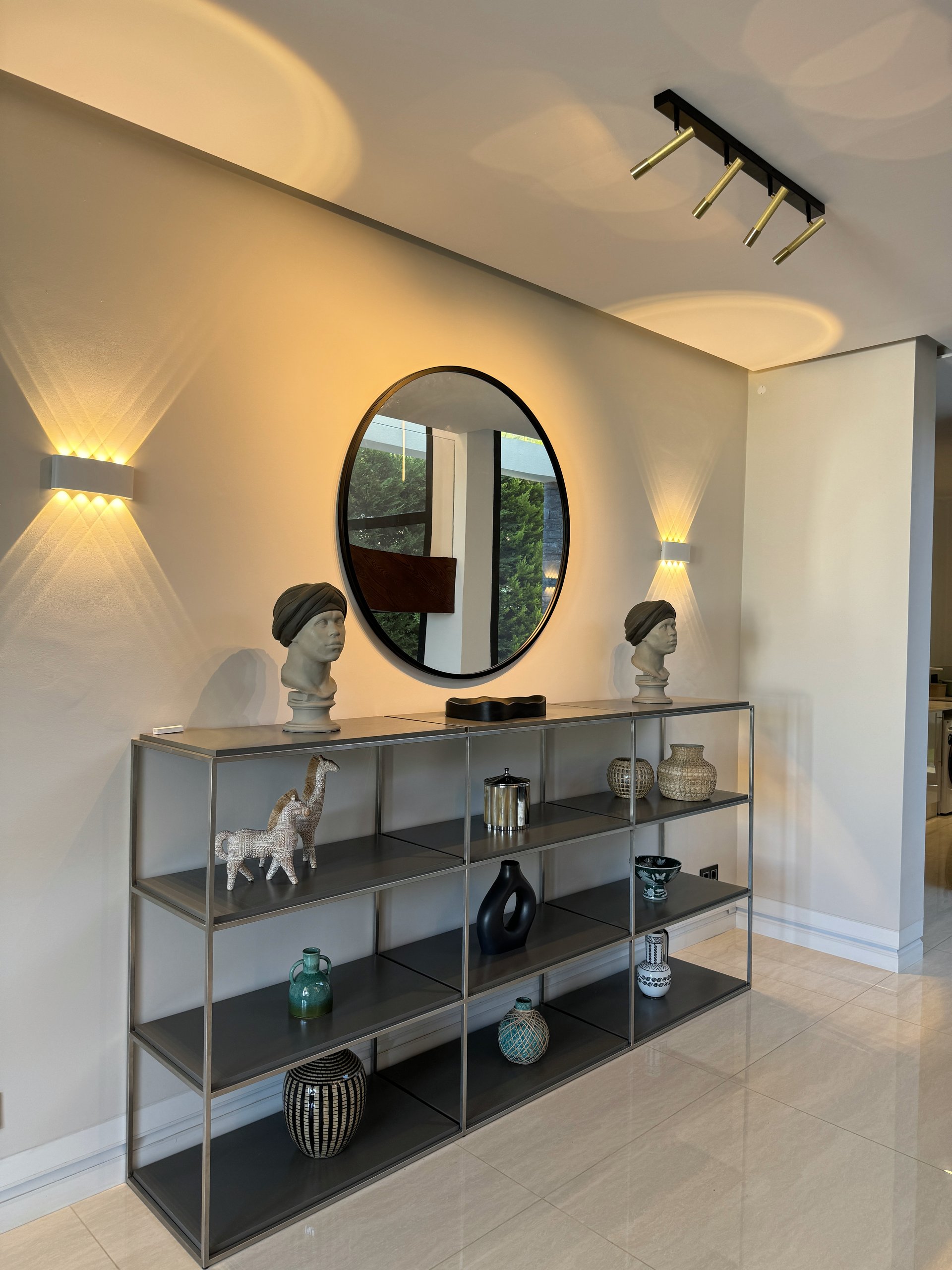
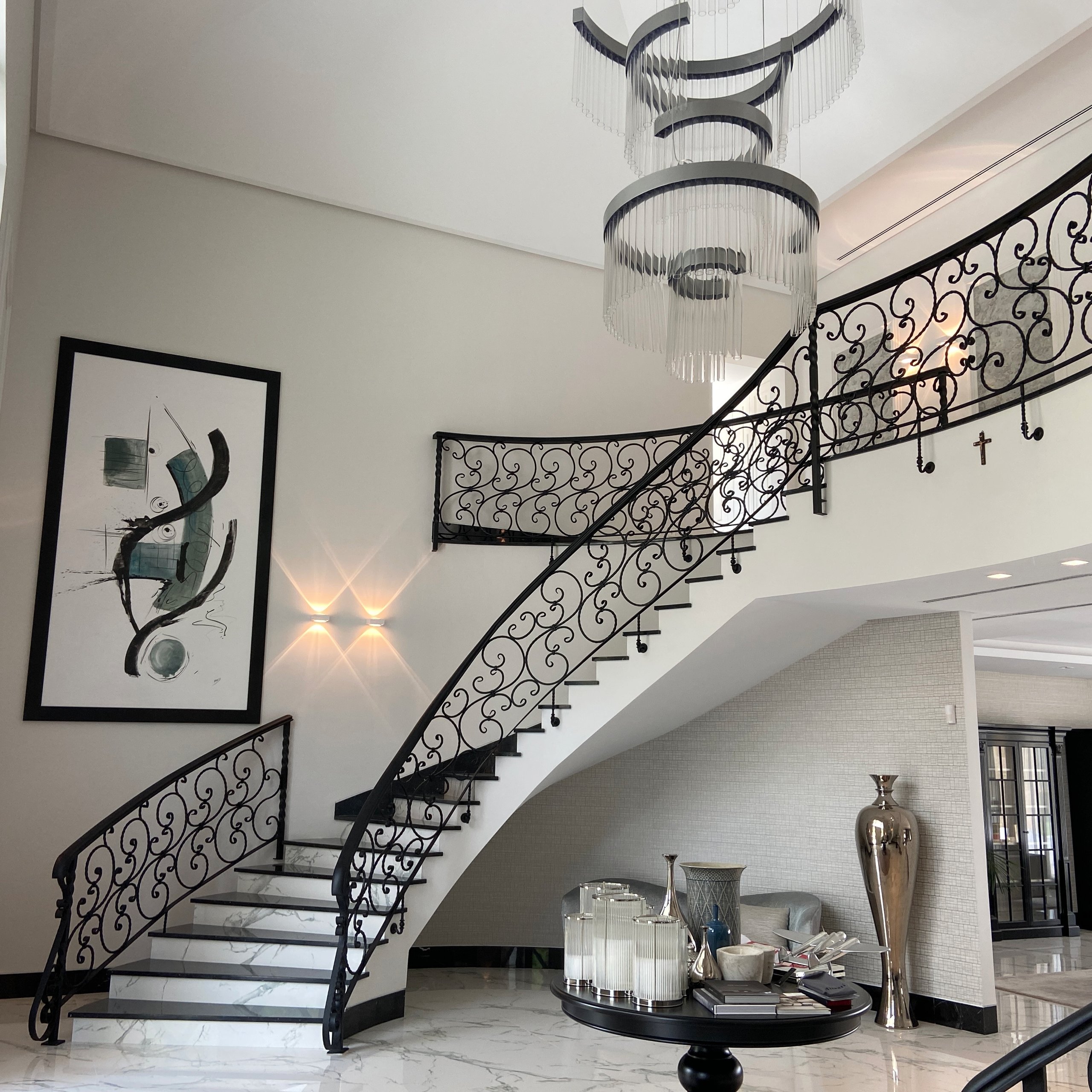
- Layers of light worked out room by room: soft light to be in, brighter light to work by, accent light on the things worth showing, instead of one bright setting for everything.
- Light temperature that shifts through the day: warm in the evening, cooler and brighter for working, easier on tired eyes and on sleep.
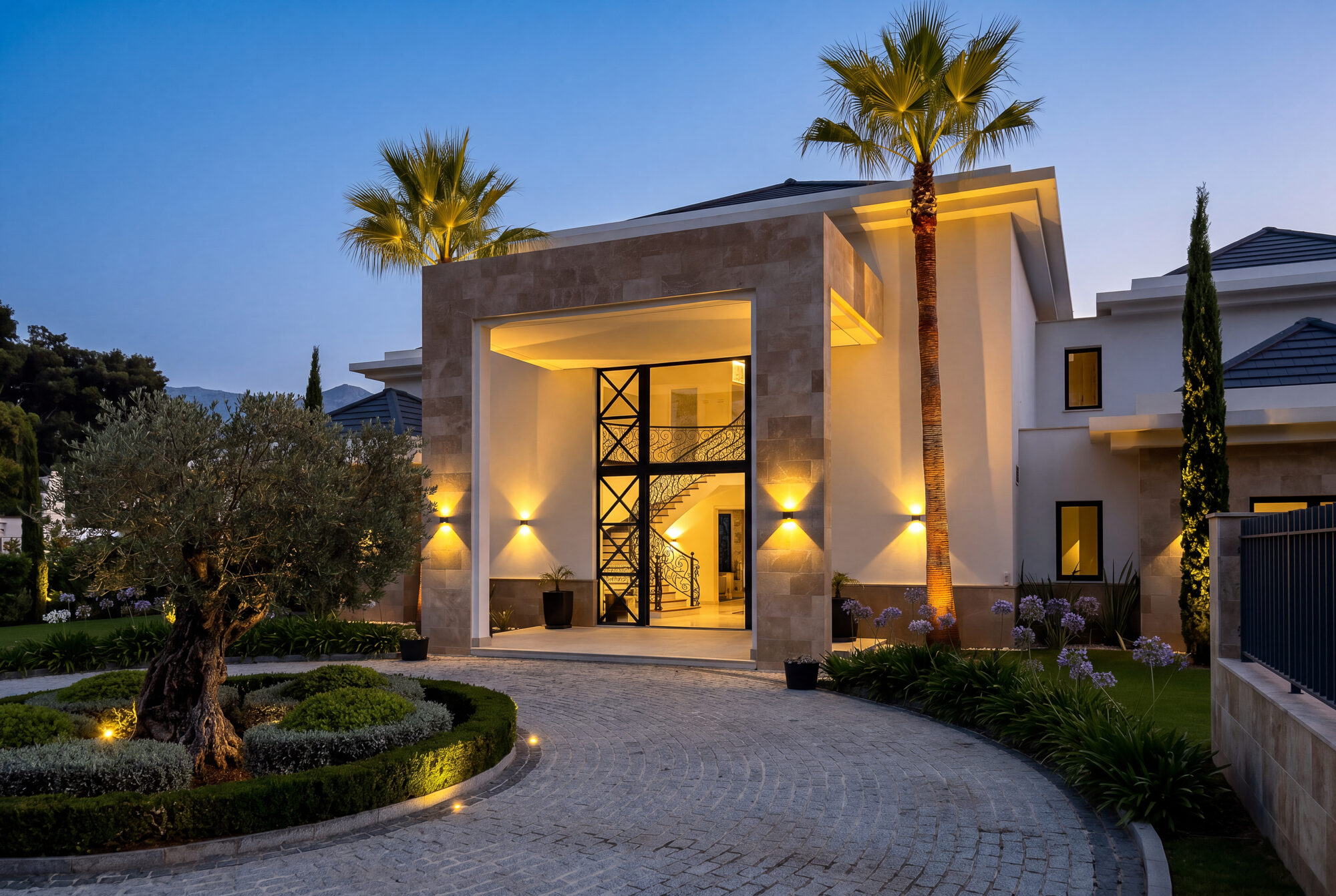
- Facade and architectural light that draws the lines of the house after dark, without glare into the rooms or over the wall to the neighbours.
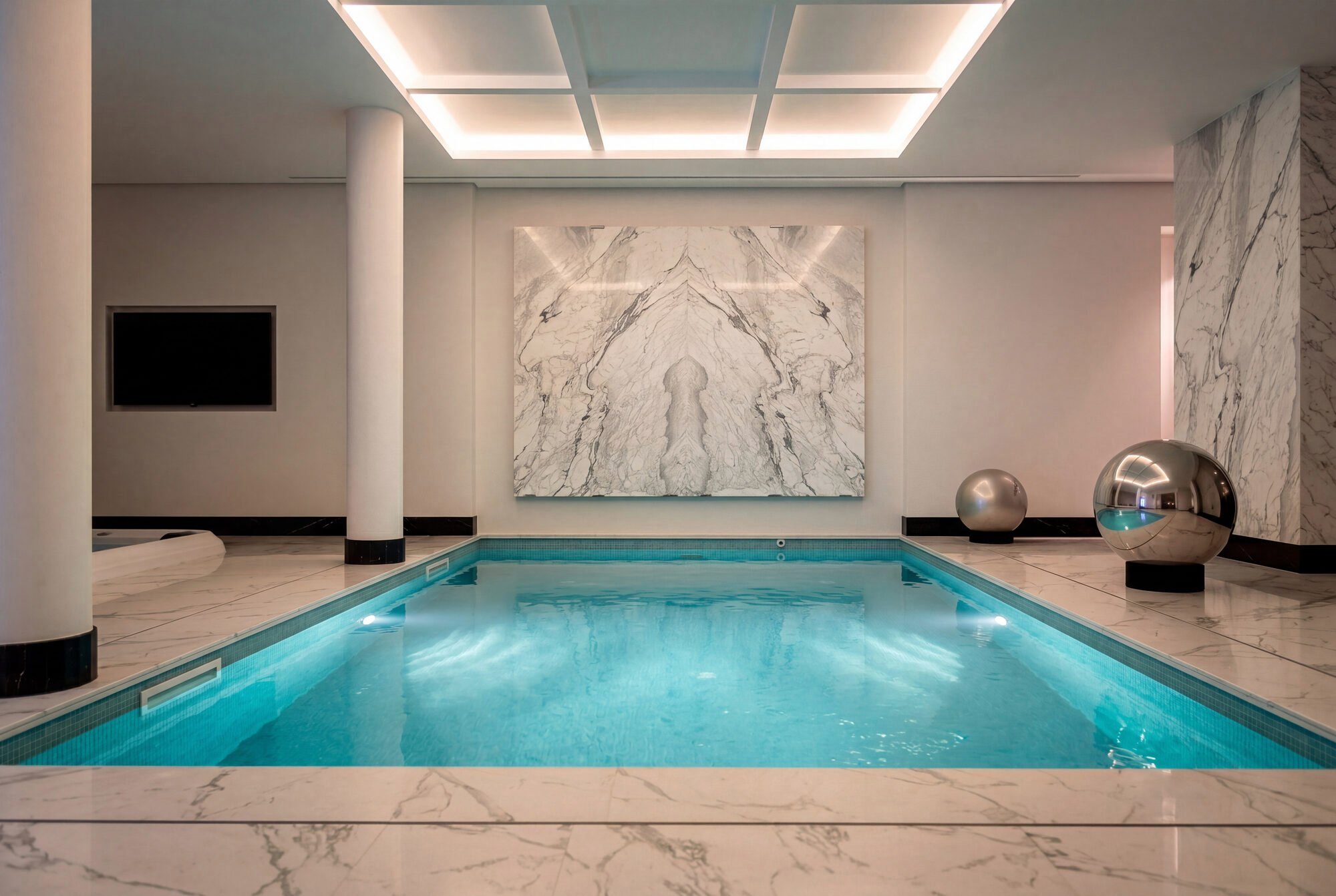
- Garden and landscape light for the paths, the trees, the pool and the terrace, built for weather and for being outside at night.
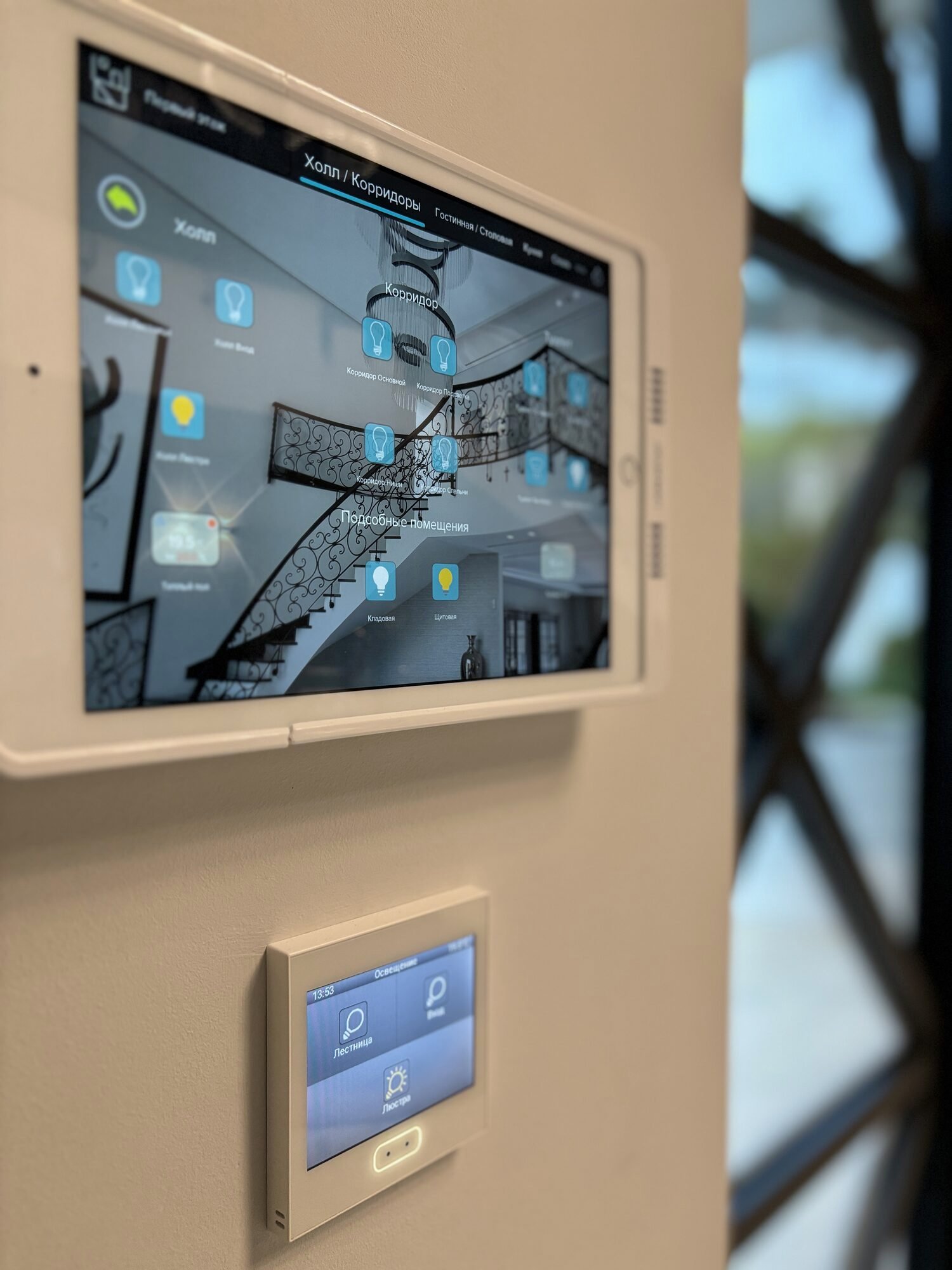
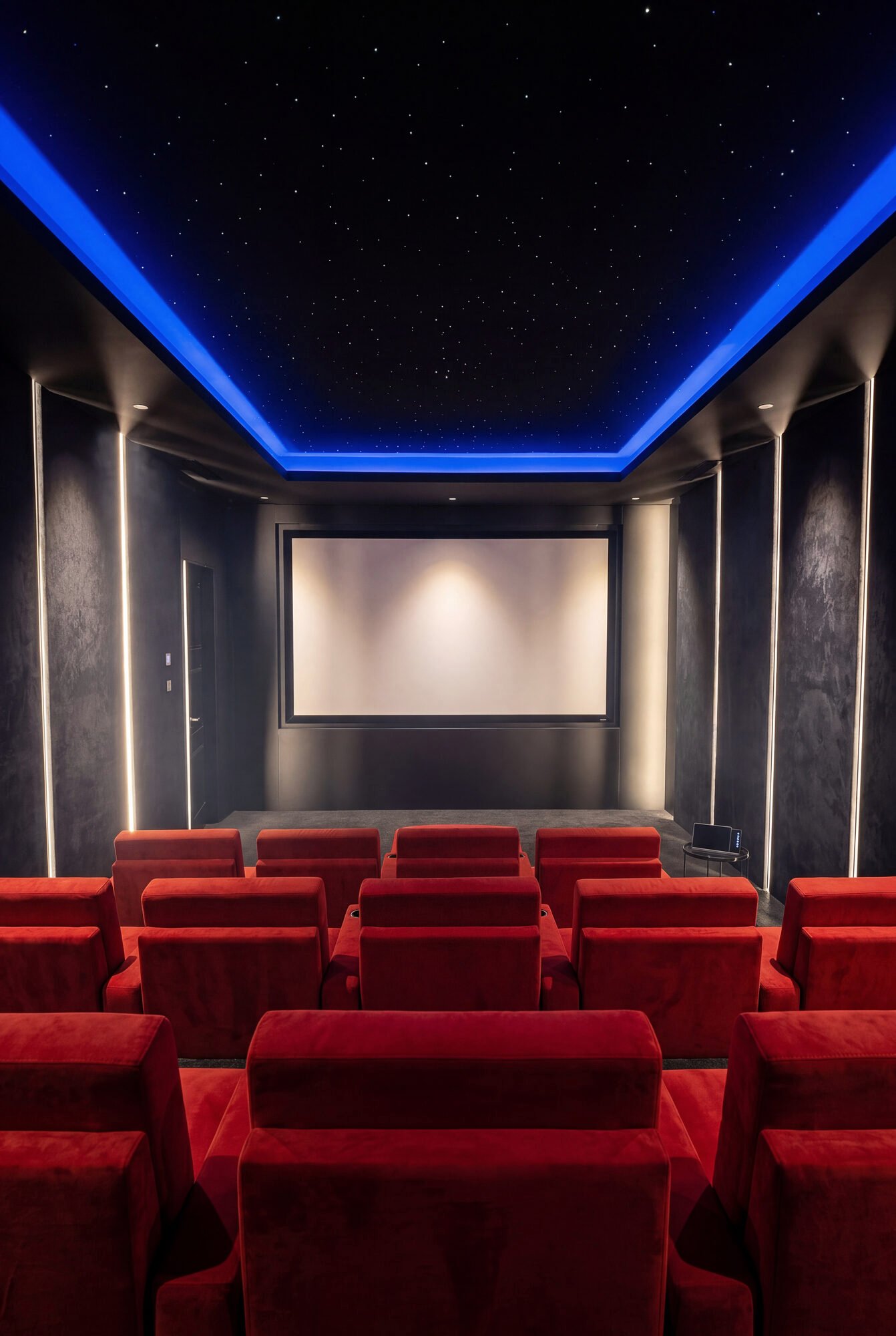
- Scenes for how each room is used: dinner, reading, a film, a quiet house at midnight, at a single touch.
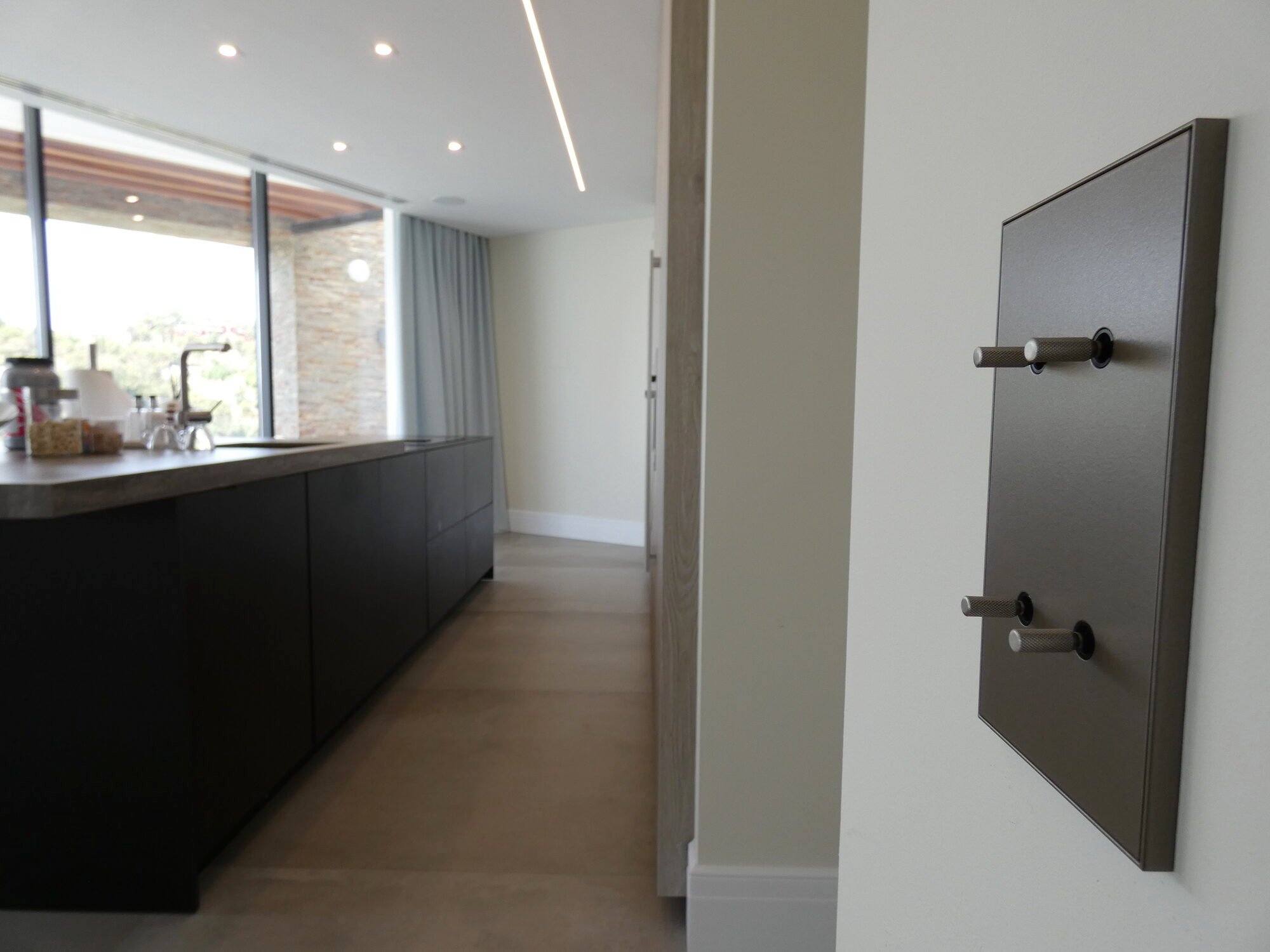
- Fittings are chosen for the light they give and how they work in the room. We match them to the dimming system and test everything together before handover, looking for flicker, buzzing or scenes assigned to the wrong switch.
How we work
- Understand – we look at how you live in each room, the architecture and where the house meets the garden after dark. For a new build, alongside your architect; for a home you already live in, working with what’s there.
- Design – a lighting plan in layers and scenes: what lights, how warm, how bright and on which control.
- Build – fittings placed for the light and the room, wiring and dimming set so every scene lands the way it was drawn.
- Look after – documentation, and a system you can adjust, extend and pass on.
The sun drops and the house doesn’t go dark: it changes. Outside, the path to the pool and the line of the terrace come up softly, and the garden keeps its shape after dark. Inside, the bright working light gives way to something warmer, low along the walls. The evening scene runs on its own at dusk, and the switch on the wall still does exactly what you expect. Nothing you have to think about, nothing you can’t override.
Works with the rest
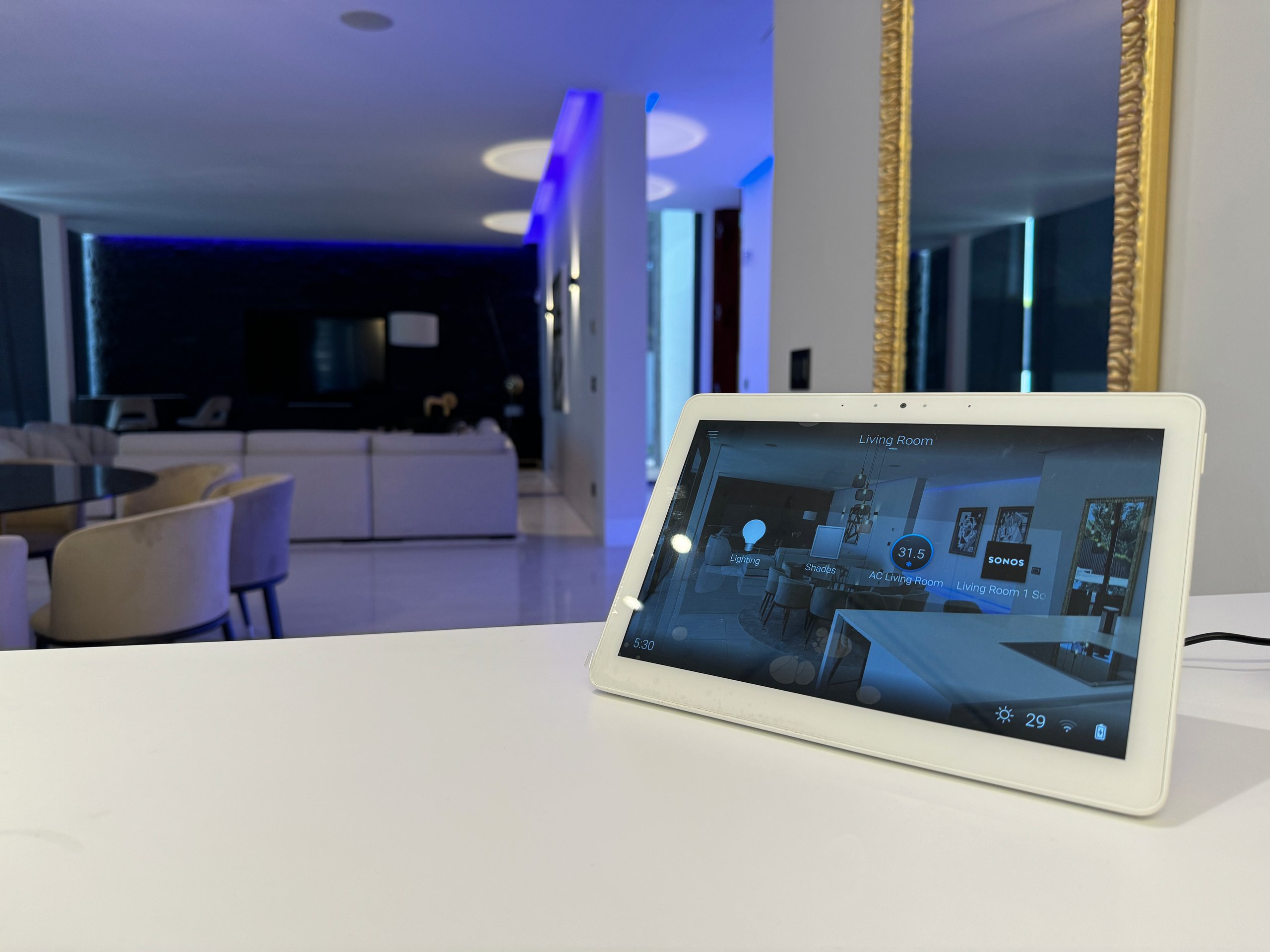
Lighting works on its own, and it also plugs into the rest of the house. The smart-home layer can fold it into a scene: the whole house dropping to a single lamp at bedtime, or a path that lights when the gate opens at night. It moves with the sound and the screen, so starting a film settles the room around it. And underneath sits the wiring and the power it runs on, planned so the control is built into the house rather than added on top.
See your house the way it should look after dark
We’ll start with how you live in each room and how the house meets the garden at night, and design light that fits both.